A Life Well Lived Is Worthy of Telling
OPINION
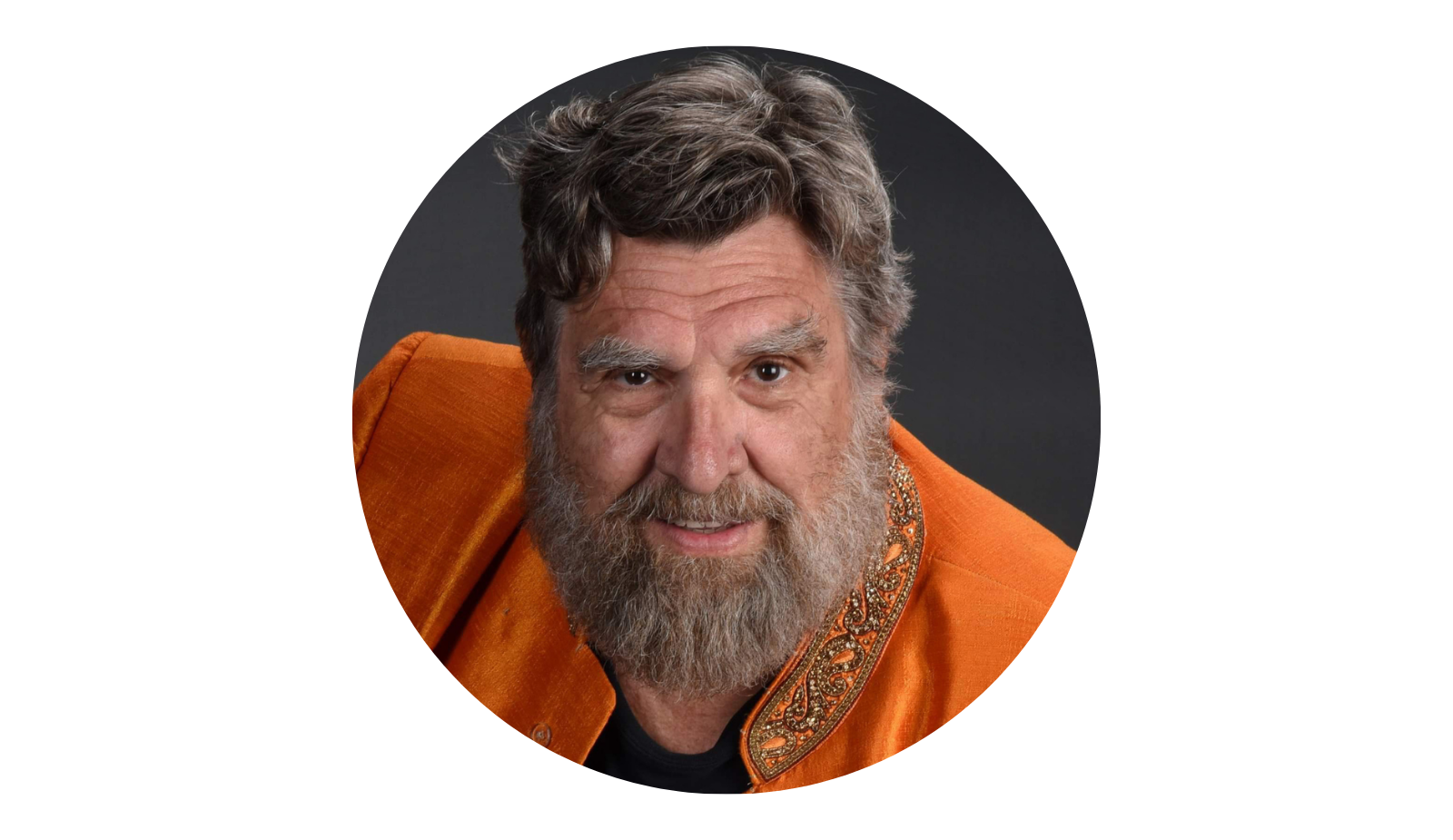
By Richard Evans, President Whitsundays Writers Festival
Near the end of her life, activist and writer Gloria Steinem was asked to leave one final piece of advice. She kept it simple: “Please tell your own story. This is how we know each other, and how we build a more respectful, compassionate world.”
It’s a small sentence carrying a big truth. We are storytelling creatures. Every one of us has a story worth telling — and Australia, Queensland and our own Whitsundays are no different.
From the dreaming stories of our First Nations people to the hard yards of early pioneers, the isolation felt by settlers, and the drive of newer arrivals chasing a fresh start, our region is woven from stories. The question is simple: Are we listening? Are we reading?
Screenwriting teacher Robert McKee puts it well … stories aren’t just entertainment, they’re how we make sense of our lives. We tell them through books, through memory, through the stories we simply speak aloud over a cuppa. But every story, however it’s told, needs one thing to survive: someone willing to listen.
And listening starts with words. We learn them from our parents, build on them at school, and carry them into our working lives. Yet literacy is a subject we rarely talk about, perhaps because it’s uncomfortable.
The numbers should worry us.
National surveys show that somewhere between 38 and 64 percent of employed Australians struggle with at least one basic skill: reading, understanding documents, maths, or problem-solving. More than a third of adult Australians live with low literacy, and many hide it quietly, every day. These aren’t just statistics. They’re the parents who can’t help with homework, the workers who dread filling out a form, the neighbours doing it tougher than we realise.
The cost of that silence can be severe. Poor literacy, especially among young men and teenagers, feeds isolation and disengagement. And in the worst cases, it has been linked to self-harm. One in three Australian teenagers has experienced suicidal thoughts in the past year, and suicide remains the leading cause of death for Australians aged 15 to 24. These are our kids, our neighbours, our future. The figures are truly damning.
There is, however, a simple way forward: Reading.
Just fifteen minutes a day is enough to finish a book roughly every fortnight. That equates to twenty-six books a year, from a habit shorter than a coffee break. Imagine what that could do for a whole community.
The encouraging news is that Australians still love a good story. Two in three of us read for pleasure, and young Australians are reading more than ever, across print, e-books and audiobooks. Print remains the favourite, but audiobooks are fast gaining ground.
It starts at home. Parents who read aloud to their children, who take them to the library, and who let their kids see them reading, are handing down something priceless. Research shows that children read to at ages four and five are far more likely to genuinely enjoy reading by the time they’re ten or eleven.
Steinem also said, “If you want people to listen to you, you have to listen to them.”
That’s really the heart of it. Storytelling and reading are two sides of the same act of listening. We need to listen to our children, our neighbours, and to those whose stories have too often gone unheard. Every life well lived deserves to be told, and every story, no matter how ordinary it might feel, adds richness to who we are as a community.
Words matter. We at the Whitsundays Writers Festival are building access with a goal to provide the community with leading practitioners of the craft of reading and writing.
So, let’s build a culture where reading is every day and easy. Let’s support those still finding their way with words and use our own words to protect and celebrate their stories. Let’s tell our stories and truly listen to each other’s. That is how we come to know one another. And how, together, we build a more respectful, compassionate community.